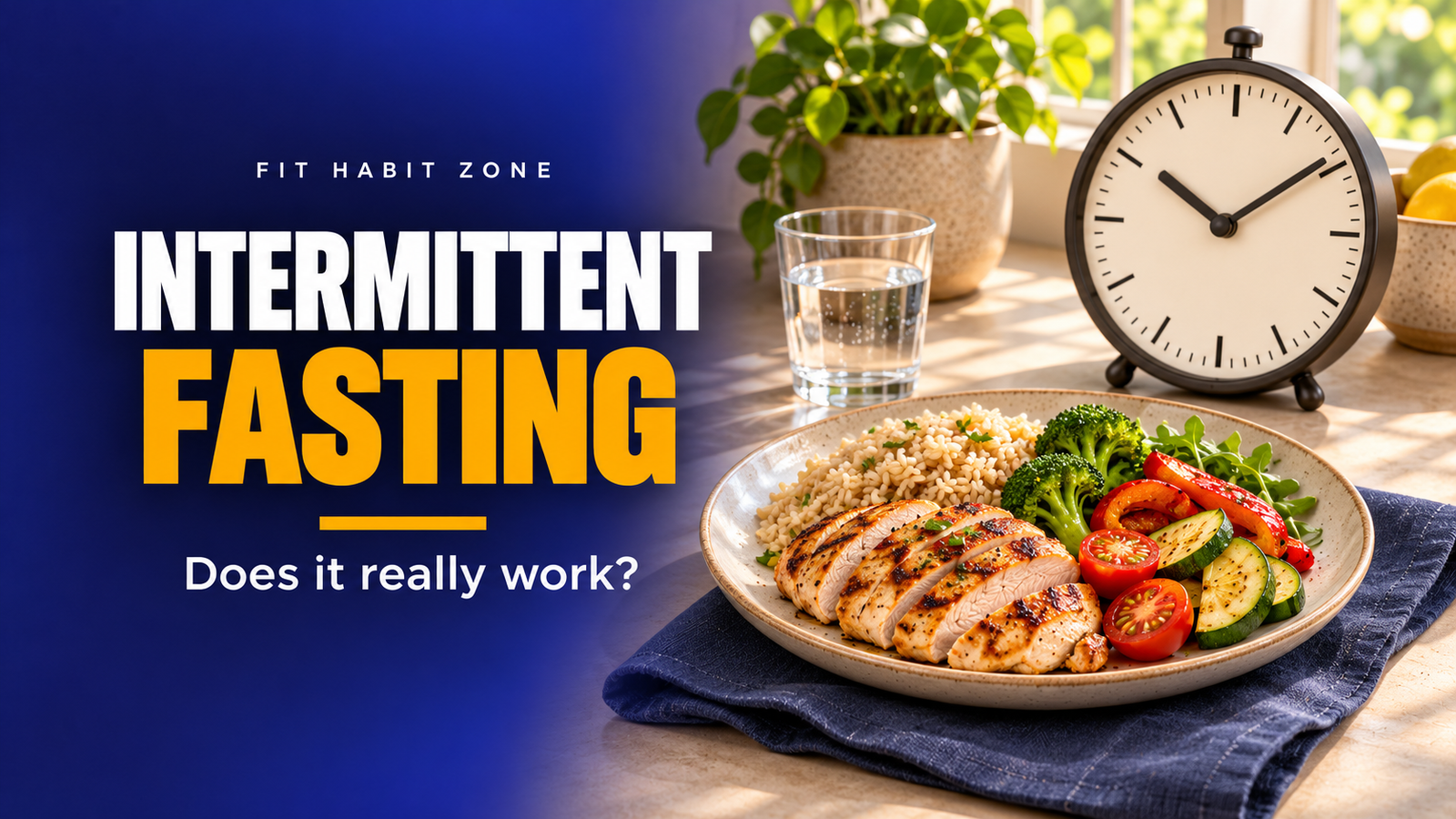
Here is the short answer: intermittent fasting is a way of scheduling when you eat, not a special diet, and it works for weight loss only when it helps you eat less overall. The research so far shows it performs about the same as ordinary calorie restriction — no better, no worse on average. If the schedule suits your life, it can be a practical tool, and if it does not, you are missing nothing magical by skipping it.
What Intermittent Fasting Actually Is
Intermittent fasting means cycling between periods of eating and periods of not eating. During a fast you drink water, black coffee, or plain tea, and you skip food entirely. During the eating window, you eat normally — no food group is banned by the method itself. What you eat during the window still matters, though: a window filled with oversized takeout meals will not produce the same result as one filled with ordinary, balanced food.
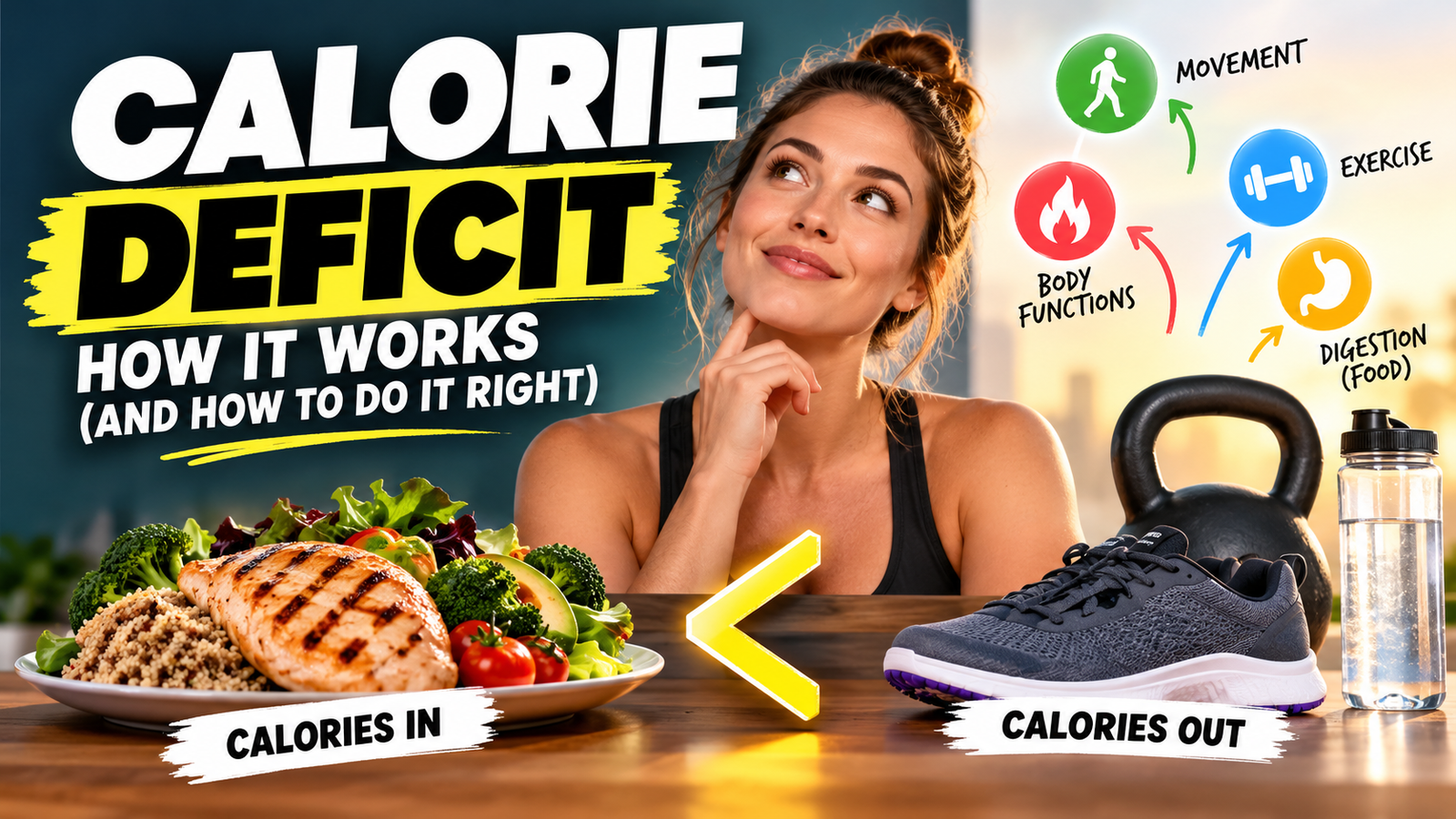
That last point is the one most social media posts leave out. Fasting changes when you eat; weight change still comes down to how much you eat over days and weeks, as explained in our plain-English guide to calorie deficits. If the window stops you grazing all evening, you may eat less without counting anything. If you simply eat bigger meals to compensate, the scale is unlikely to move.
The Popular Patterns, Explained Plainly
Most versions fall into three families, differing in how long the fast lasts and how often it happens.
- Time-restricted eating (16:8). You fast for 16 hours and eat within an 8-hour window each day — for example, lunch at noon and dinner finished by 8 p.m. This is the most common version, and the easiest to fit around work, because it mostly means skipping breakfast or skipping late-night snacks.
- The 5:2 approach. You eat normally five days a week and cut back sharply on two non-consecutive days. Those two days are low-calorie days, not zero-food days, and they are the hardest part of the plan for most people.
- Alternate-day fasting. You alternate a normal eating day with a fasting or very-low-calorie day. It cuts calories most on paper, and also has the highest dropout rate in practice.
Gentler versions exist too, such as a 12-hour overnight fast — dinner at 7 p.m., breakfast at 7 a.m. — which many people already do without calling it fasting. Starting there is a sensible first step, and for some people it is enough.
What the Evidence Actually Says
The honest summary of the research is unglamorous. In trials comparing intermittent fasting with standard calorie restriction, where both groups eat roughly the same total amount, weight loss tends to come out similar. Fasting does not appear to burn fat through some separate mechanism that ordinary dieting misses. What it does, for some people, is make eating less easier to stick to: skipping a meal removes a set of decisions, and a firm evening cutoff removes the snacking hours where many people quietly add hundreds of calories.
Claims about fasting improving blood sugar, blood pressure, and other markers also circulate widely. Some small studies show improvements, but those usually track closely with the weight lost, suggesting they may come from eating less rather than from fasting itself. Anyone considering fasting for a specific health condition should talk to their doctor first rather than treating a social media post as medical guidance.
One more finding runs against the hype: fasting is not automatically easier than other approaches. People drop out of fasting trials at similar rates to other diets, and some find hunger, headaches, or irritability in the first week or two. If a method makes your days worse, adherence collapses — and adherence is the whole game.
Who It May Suit — and Who Should Skip It
Fasting tends to suit people who already skip a meal without thinking about it, who dislike counting calories, or whose evenings are their problem hours. If you are never hungry in the morning and your willpower crumbles at 10 p.m. in front of the television, a noon-to-8 p.m. window targets your actual weak spot.
It suits other people poorly, and this list matters more. Skip fasting — or get professional guidance first — if any of these apply:
- You are pregnant, breastfeeding, or trying to conceive.
- You have a history of disordered eating, or you notice fasting makes you think about food obsessively.
- You take medication that must be taken with food, or medication for blood sugar or blood pressure that a changed eating pattern could affect.
- You have diabetes, low blood pressure, or another condition your doctor is actively managing.
- You are under 18, or you are an athlete in heavy training with high energy needs.
How to Try It Without Making It Miserable
If none of the cautions above apply and you want to try it, start small. Begin with a 12-hour overnight fast for a week, then stretch gradually to 14 or 16 hours rather than jumping straight to the strictest version. Keep your meals balanced — protein, vegetables, and foods that actually fill you up — and drink water through the fast; early headaches are often dehydration in disguise.
Watch for signals that mean you should stop or scale back: constant dizziness, trouble concentrating at work, disrupted sleep, or a growing preoccupation with food. Those are not signs of weak willpower — they are information. Also watch the rebound trap: if fasting leaves you ravenous at the end of the window and you eat far more than usual, the method is working against you.
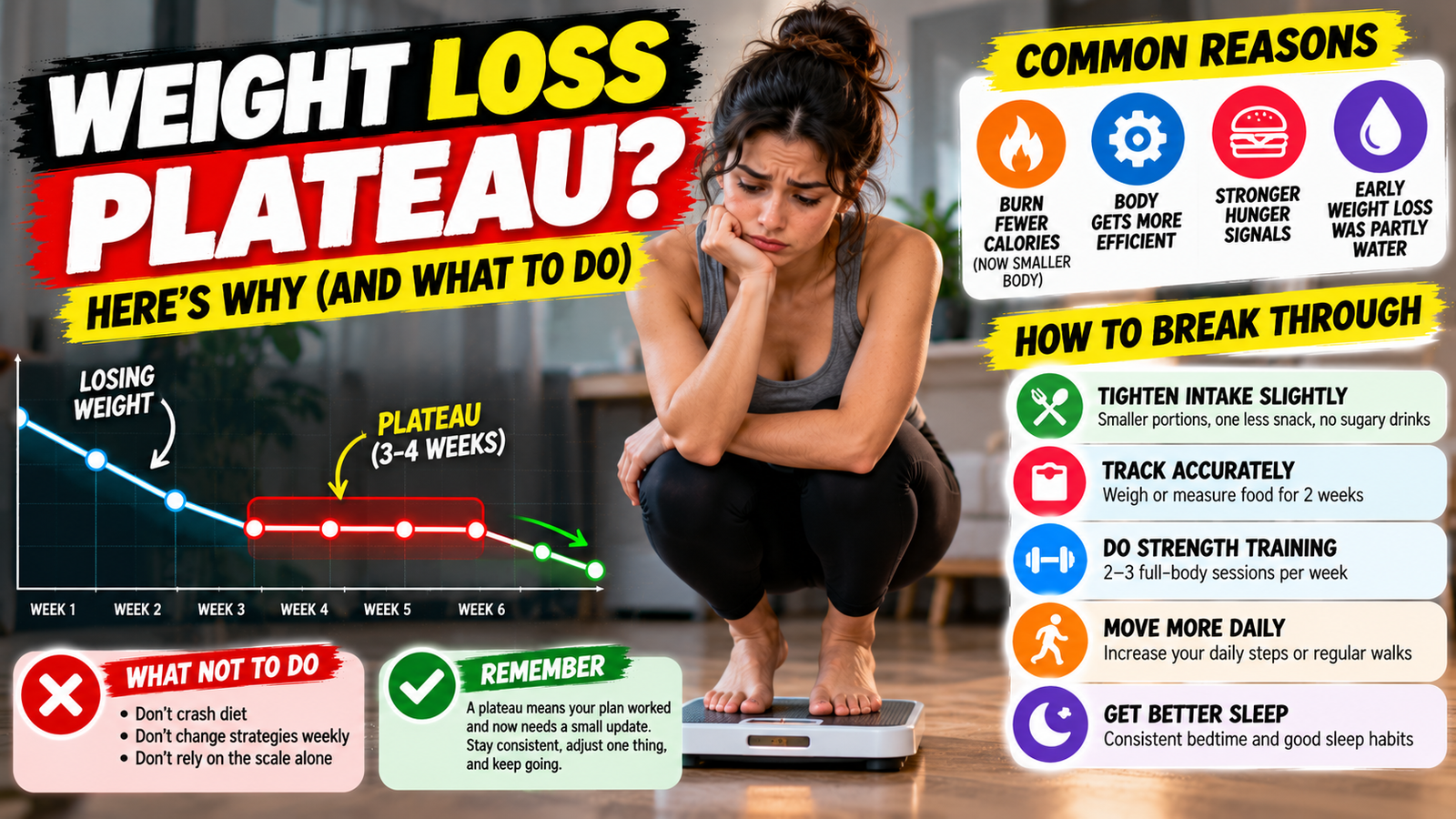
Finally, keep the rest of your routine honest: fasting does not cancel out poor sleep or a sedentary day. If your sleep is a mess, our look at sleep and weight loss explains why tired evenings so often end in extra eating. And if the scale stalls for weeks despite a steady routine, our guide to weight loss plateaus covers what to check before blaming the fasting schedule.
The Bottom Line
Intermittent fasting is neither a miracle nor a fraud. It is a scheduling tool that helps some people eat less, leaves others miserable, and performs about the same as ordinary calorie restriction when total intake is matched. Try it gently if it fits your life, skip it without guilt if it does not, and judge it by whether your days get easier.
This article is for general information only and isn't medical advice. If you have a health condition or injury, check with a qualified healthcare professional before starting a new eating pattern.