
The short answer
A calorie deficit means your body uses more energy than it gets from food. When that happens, it makes up the difference by tapping into stored energy, and over time that shows up as weight loss. That's the entire mechanism behind nearly every diet that has ever worked — they just package it differently.
What a calorie actually is
A calorie is simply a unit of energy. Your body is burning energy around the clock: keeping you warm, pumping blood, digesting food, thinking, moving. All of that energy has to come from somewhere, and that somewhere is food and drink.
Energy balance has two sides. Energy in comes from everything you eat and drink. Energy out goes to three places: the basic cost of keeping you alive (your body uses a surprising amount just existing), the cost of digesting food, and everything you do with your muscles — from walking to the fridge to a full workout. When energy in is lower than energy out, you're in a deficit.
Why the deficit is the whole game
This is the part the diet industry complicates on purpose. Keto, low-carb, intermittent fasting, points systems, meal deliveries — none of them have magic properties. When they work, they work because they got you to eat less energy than you burn, usually by making it easier to eat less without feeling like you're fighting yourself all day.
That doesn't mean all diets are equal. Some are easier to stick with, some leave you healthier, and some are miserable enough that quitting was inevitable. But the underlying math doesn't change: no deficit, no weight loss. Understanding this saves you from chasing the next miracle food or rule.
What a sustainable deficit actually looks like
A moderate deficit is one you can live with for months, not days. For most people, that means eating enough that you're only slightly hungry at times — never starving, never dizzy, never thinking about food constantly.
Picture it in practical terms rather than numbers. A small daily deficit might look like this: swapping the afternoon vending-machine snack for fruit, having one less soda, and adding a 20-minute walk a few evenings a week. None of these feel dramatic. That's the point — dramatic rarely lasts.
You can also build the deficit from the exercise side, but be realistic about it. Exercise is wonderful for health, mood, sleep, and keeping muscle while you lose weight, but it's a slow way to burn calories. A casual 30-minute walk burns roughly the energy in a single cookie. That's not a reason to skip the walk — it's a reason to focus your deficit mainly on food.
Why crash deficits backfire
Slashing your intake to almost nothing feels like it should work faster, and for a week or two the scale may drop quickly. But very large deficits come with a steep bill.
First, they're brutal to sustain. Extreme hunger isn't a willpower problem; it's your body doing exactly what it evolved to do — push you to eat. Most people who go too aggressive end up overeating later, and the rebound often erases whatever the crash diet achieved.
Second, when your deficit is very aggressive, more of what you lose can come from muscle rather than fat — another reason to keep the deficit modest. Less muscle means a slightly lower energy burn going forward, which is the opposite of what you want. A moderate deficit combined with some protein and basic resistance exercise protects muscle far better.
Third, crash dieting tends to tank your energy and mood, which quietly kills the habits that actually matter: sleep, movement, cooking real meals. You can't build a healthier lifestyle on 1,000 calories a day and four hours of sleep.
Protein, sleep, and the supporting cast
Calories decide whether you lose weight. Other things decide how well the process goes.
Protein. Eating enough protein tends to keep you fuller and helps protect muscle while you're in a deficit. You don't need shakes or powders — eggs, chicken, fish, beans, lentils, yogurt, and tofu all count. Just make sure protein shows up at most meals.
Sleep. Short sleep tends to make the next day harder — many people feel hungrier and less like moving around. Getting a consistent night's sleep is one of the highest-return things you can do while losing weight, and it costs nothing.
Movement beyond workouts. The little stuff adds up: taking stairs, parking farther away, standing while you take calls, a short walk after dinner. This everyday activity often matters more for your total energy burn than a single workout.
Fiber and water. Vegetables, fruits, whole grains, and beans add bulk to meals with relatively little energy, which makes a deficit feel far less like deprivation. Drinking water regularly — especially before meals — helps some people eat a bit less without noticing.
How to know if it's working (and what to adjust)
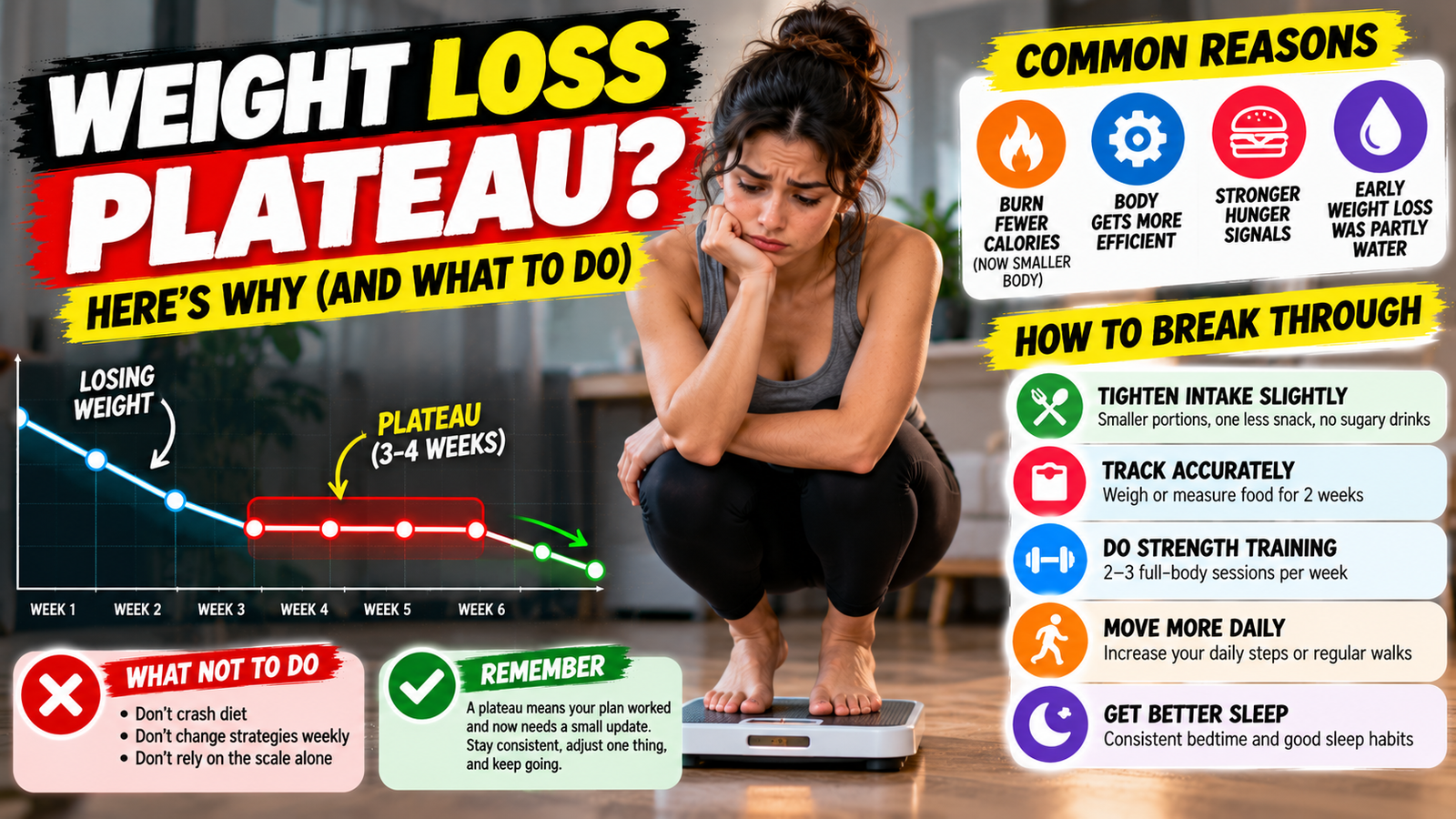
The scale is a noisy tool. Water, meals, and sleep shift your weight up and down a pound or two day to day, so don't judge by a single morning. Weigh yourself a few times a week under similar conditions and watch the trend over two to three weeks.
If the trend is slowly going down and you feel okay, change nothing. If nothing has moved after three or four weeks of honest effort, your deficit is probably smaller than you think — which is normal, since portion sizes creep up without anyone noticing. The fix isn't to starve yourself; it's to tighten one thing at a time, like trimming liquid calories or adding a daily walk.
And if you're losing weight but feel exhausted, constantly cold, or losing hair, that's a signal the deficit is too aggressive. Slow down. Losing a little slower is always better than crashing and rebounding.
The honest conclusion
Weight loss really does come down to a calorie deficit — but the people who succeed long-term aren't the ones who found the cleverest diet. They're the ones who found a version of a deficit they could live with comfortably, month after month, while keeping protein up, sleep decent, and movement part of the day. Boring beats brilliant here. The best deficit is the one you barely notice.
This article is for general information only and isn't medical advice. If you have a health condition, take medication, or have a history of disordered eating, check with a qualified healthcare professional before changing how you eat.