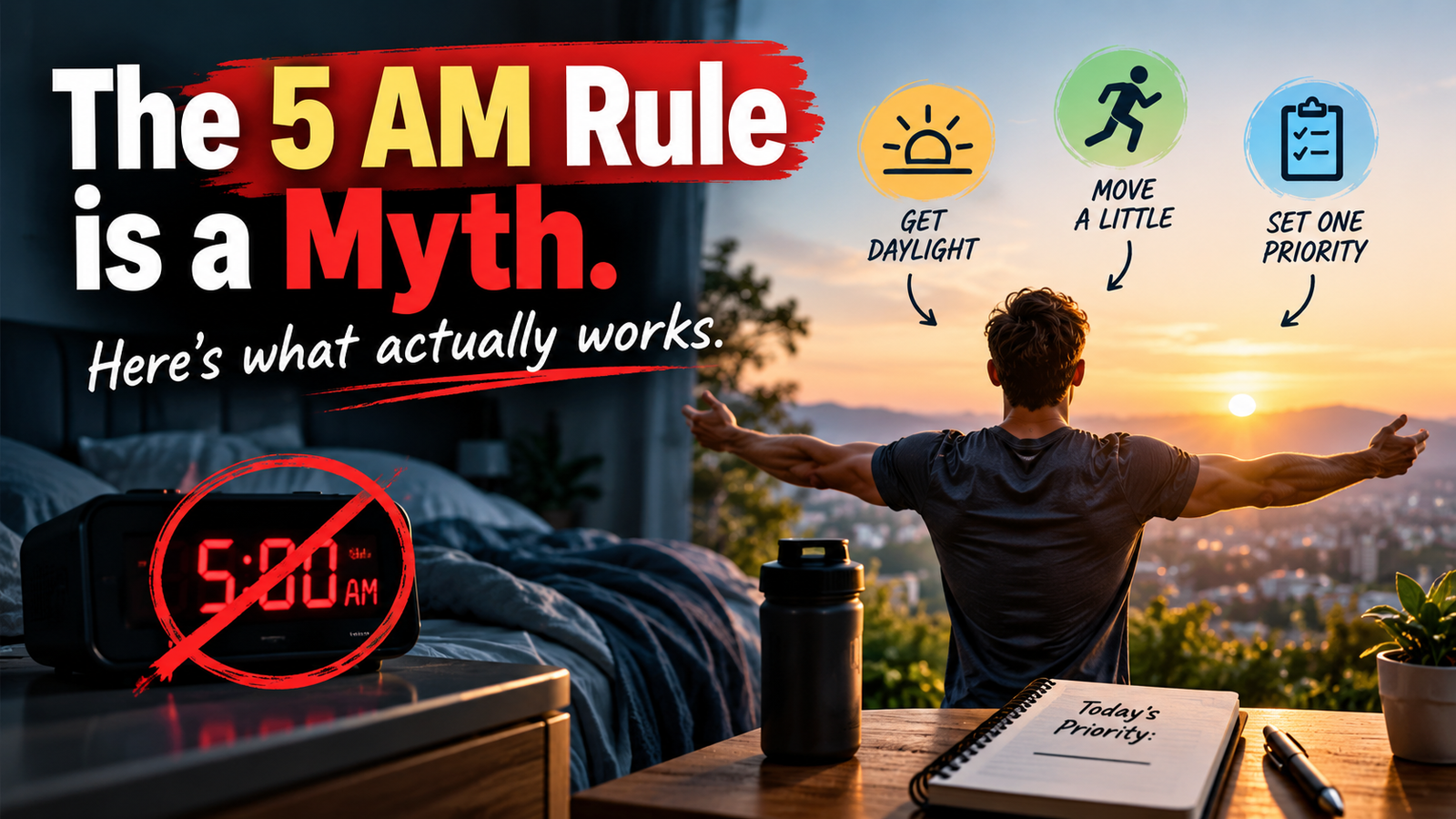

The short answer: stress can contribute to weight gain, but not in the dramatic way social media usually claims. Stress does not magically turn food into belly fat, and no supplement melts "cortisol belly." What stress actually does is quieter and more practical: it wrecks your sleep, drains your patience, and pushes you toward quick comfort food at exactly the moments you are least equipped to resist it. Fix that chain, and the waistline usually follows — slowly, not overnight.
What Stress Actually Does to Your Body
Stress is your body's alarm system. When something feels threatening — a deadline, a bill, an argument — your body releases stress hormones, including adrenaline and cortisol, to deal with it. Heart rate rises, muscles tense, and your attention narrows. That response is useful in short bursts. It becomes a problem when the alarm stays on for weeks or months, which is the normal state for a lot of adults juggling work, money, and family pressure.
One common effect is a shift in appetite, but it does not go the same way for everyone. Some people lose their appetite during a stressful stretch and skip meals. Others find themselves grazing all evening or reaching for snacks they would normally pass up. Neither reaction is a character flaw.
The Real Chain: Stress, Sleep, and Eating
The most honest version of the stress-weight link is not a single hormone. It is a chain of three links, and each one feeds the next.
First, stress makes sleep worse. A mind still replaying the day at midnight does not fall asleep easily, and even when it does, the sleep tends to be lighter and more broken. Second, a bad night leaves you tired, foggy, and short on patience the next day — a state where cooking a proper meal feels like too much effort and a drive-through or a vending machine feels like the only realistic option. Third, tiredness makes cravings stronger, especially for sweet, salty, and high-calorie foods that promise a quick lift. One rough week of this pattern can undo a lot of careful eating, not because of one meal, but because the whole routine quietly slides.
This is also why sleep deserves attention before any fancy fix. Our guide to how sleep and weight loss are connected walks through the same chain in more detail, including the practical sleep habits that make the biggest difference.
The Hype: "Cortisol Belly" and Quick Fixes
Scroll through fitness content long enough and you will meet the idea of "cortisol belly": the claim that stress hormones deposit fat directly around your midsection, and that a specific supplement, tea, or detox can flush it away. Treat that claim with skepticism.
It is true that long-term stress is associated with carrying more fat around the abdomen, but that association is not a direct switch. You cannot target fat loss from one body part, and no product selectively burns belly fat. The people selling cortisol cures are usually selling a supplement, and the "results" in their ads come from the same boring basics — eating less, moving more, sleeping better — dressed up as a secret. If a product promises to lower your cortisol and shrink your waist in two weeks, it is selling a story, not a solution.
The same skepticism applies to extreme responses to stress eating. A punishing workout, a crash fast, or a "detox day" after a stressful weekend rarely fixes anything and often sets up the next binge. The pattern that actually holds up is far less dramatic: steady meals, regular movement, and enough sleep, repeated on ordinary days.
What Actually Helps
The fixes that work for stress-related weight gain are the same habits that help almost everything else. They are unglamorous, but they attack the chain at each link.
Start with sleep, since it is the link that makes the other two possible. A regular wind-down — screens off, lights low, same bedtime most nights — sounds too simple to matter. Even small improvements in sleep tend to show up quickly in appetite and energy the next day.
Next, add movement that lowers stress rather than adding to it. On a high-stress day, a walk often does more for your head — and your evening eating — than a session you dread. A daily walk is one of the lowest-friction ways to break up a stressful day, and our honest look at what walking actually does for you explains why it punches above its weight for mood, sleep, and appetite alike.
Then, make the easy choice the healthy one. Stress eating usually happens at home in the evening, when willpower is spent. Keeping tempting snacks out of easy reach, having one planned fallback meal ready (something simple you can make in ten minutes), and eating regular meals during the day so you are not ravenous by dinner all reduce the number of decisions stress has to hijack.
What to Do This Week
You do not need a stress-management overhaul. Pick one thing from each link in the chain and try it for a week:
- Sleep: set a fixed bedtime and a 30-minute wind-down, even if the wind-down is just reading instead of scrolling.
- Movement: take a 10-minute walk after your most stressful part of the day, before you get home and open the fridge.
- Food: plan one fallback dinner and keep it stocked, so a hard day does not automatically become a takeout day.
If weight is not moving despite these habits, other factors may be at play, and our guide to why weight loss stalls and how to break through a plateau covers the usual suspects, from hidden calories to water retention.
Stress is a real part of the weight story, but it is a supporting player, not the villain of a miracle cure. The hype wants you to buy a fix for your hormones. The reality is more forgiving: protect your sleep, move a little every day, and give yourself a plan for the hard evenings. Do that consistently, and the waistline takes care of itself at its own pace — no detox required.
This article is for general information only and isn't medical advice. If you have a health condition, are dealing with ongoing stress or anxiety, or have a history of disordered eating, check with a qualified healthcare professional before starting a new exercise or eating routine.