
The short answer: most people eat more sugar than they realize, but the problem is rarely the spoonful in your coffee. The bulk of it comes from drinks, sauces, breakfast foods, and snacks where sugar is quietly built in. You do not need to quit sugar entirely or fear fruit to get this under control — you need to know where the added sugar is hiding and make a few deliberate swaps.
Added Sugar vs. Natural Sugar
Not all sugar on a label means the same thing. Natural sugars are the ones already present in whole foods — the lactose in milk, the fructose in an apple, the sugars in plain yogurt. They come packaged with fiber, water, protein, or other nutrients that slow digestion and help you feel full.
Added sugars are the ones put in during processing or cooking: table sugar, honey, syrups, cane juice, and the many syrups and concentrates on ingredient lists. They add calories without adding much else, and they show up in places you would not expect. A flavored yogurt can carry as much added sugar as a small dessert. A pasta sauce can be sweetened. A "healthy" granola bar can be held together with syrup. The distinction matters because cutting back on added sugar is a practical goal, while trying to avoid all sugar would mean avoiding fruit, milk, and other nutritious foods for no good reason.
How Much Is Too Much?
U.S. dietary guidance suggests keeping added sugars below 10 percent of your daily calories. For a typical 2,000-calorie day, that works out to roughly 50 grams of added sugar — about 12 teaspoons. That sounds generous until you check a few labels: a single 20-ounce bottle of soda alone can exceed it, and a large flavored coffee drink can come close.
That 10 percent figure is a ceiling, not a target to hit. Eating less than it is fine, and going over it on a single day is not a disaster. What matters is the pattern over weeks. If sweetened drinks, pastries, and candy are daily habits, the total adds up fast. If they are occasional treats, you probably have little to worry about. This is also why a calorie-focused view helps: added sugar is one of the easiest sources of calories to trim without feeling deprived, because it rarely makes you feel full. Our plain-English guide to what a calorie deficit actually means explains how small daily trims like this add up over time.
Where Sugar Actually Hides
Start with drinks, because they are the biggest single source for most people. Soda, sweet tea, juice drinks, energy drinks, and flavored coffees can each hold 30 to 50 grams of sugar, and liquid calories barely register as fullness. Switching even one daily sweetened drink to water, sparkling water, or unsweetened tea is often the single biggest sugar cut a person can make.
Next, check breakfast. Many cereals, flavored instant oatmeals, breakfast bars, and flavored yogurts are dessert-level sweet. Compare two similar products side by side and the gap is often striking — plain oats with fruit versus a pre-sweetened packet, or plain Greek yogurt with berries versus a fruit-flavored cup.
Then look at sauces and condiments: barbecue sauce, ketchup, sweet chili sauce, teriyaki, and many salad dressings list sugar or syrup among their first few ingredients. You use small amounts, but they show up at nearly every meal. Finally, snacks marketed as wholesome — granola, trail mix with candy pieces, dried fruit coated in sugar, protein bars — deserve a label check before they earn a place in your routine.
Reading the Label in 30 Seconds
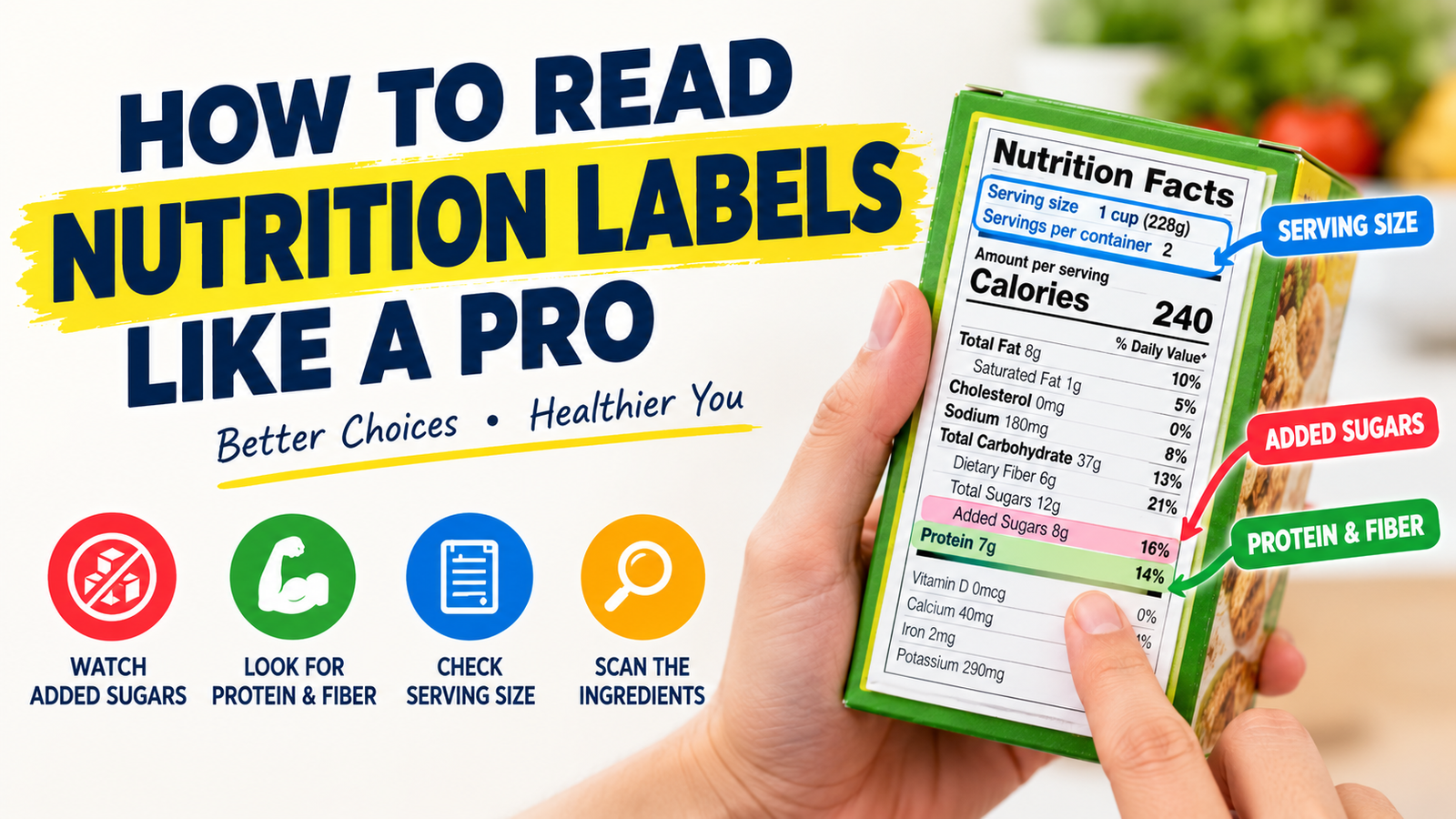
You only need two numbers. First, find "Added Sugars" on the Nutrition Facts panel — it sits right under "Total Sugars" and tells you exactly how much was put in, separate from what occurs naturally in the food. Second, glance at the ingredient list: sugar, cane sugar, honey, agave, corn syrup, high-fructose corn syrup, fruit juice concentrate, and malt syrup are all added sugars wearing different names. A useful rule of thumb: 4 grams of sugar is about one teaspoon, so a snack with 20 grams of added sugar is roughly five teaspoons.
One caution on serving sizes. A bottle or bag that looks like one serving may be labeled as two or three, and the sugar figure on the panel is per serving, not per container. If you eat the whole thing, multiply. For a fuller walkthrough of which numbers on a label actually matter and which you can ignore, see our guide to reading nutrition labels.
Swaps That Don't Feel Like Sacrifice
Cutting sugar works best when the replacement still tastes good. Sparkling water with a squeeze of lime replaces soda for many people without a sense of loss. Plain yogurt with fresh fruit and a drizzle of honey you control beats a pre-sweetened cup — and you will usually use far less honey than the factory did. Steel-cut or plain oats with cinnamon, banana, and nuts replace a sugary cereal while keeping breakfast filling.
For cooking, try halving the sugar in a recipe before cutting it out. Most baked goods and sauces still taste fine with a third to a half less sugar, and your palate adjusts within a couple of weeks — foods that once tasted normal start to taste overly sweet. Keep dessert in your life, too. A smaller portion of something you genuinely enjoy beats a large portion of a "diet" version you resent, and it keeps the change sustainable. And remember that sugar is only one part of the carbohydrate picture: our plain-English guide to carbs explains why whole grains, fruit, and starchy vegetables belong in a healthy diet even though they contain sugars and starches.
A Realistic Way to Cut Back
Pick one change this week, not ten. The most effective first step for most people is replacing one daily sweetened drink. The next week, fix breakfast. After that, check your sauces. Small, specific changes stick because they do not demand a new identity or a new grocery budget — they just quietly remove the sugar you were never choosing on purpose. Within a month, you will have cut a meaningful amount without ever feeling like you went on a diet.
This article is for general information only and isn't medical advice. If you have a health condition such as diabetes, check with a qualified healthcare professional before making major changes to your diet.