You Don't Need Powder to Eat Enough Protein
Protein powder is convenient, but it was never required. Walk through any grocery store and the shelves are full of regular food that carries plenty of protein — food your grandparents ate long before anyone sold a whey isolate. If the chalky shakes never appealed to you, or you just want your protein to come from actual meals, these ten foods make it easy.
Each one below comes with a rough protein figure and simple ways to use it, because the hardest part of eating more protein isn't knowing which foods qualify — it's getting them onto your plate without cooking a second dinner.
The Everyday Animal Sources
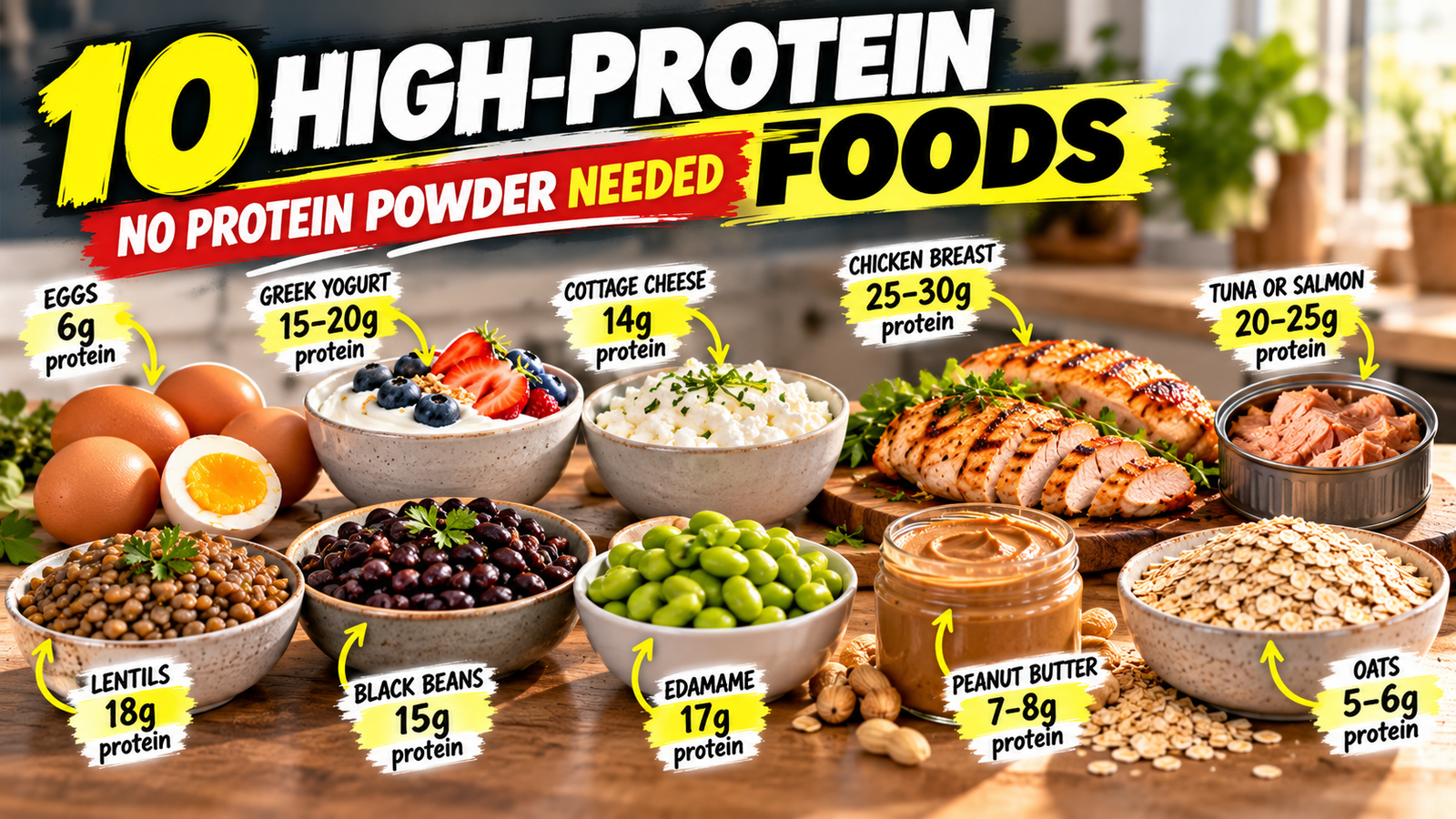
- Eggs — about 6 grams per large egg. Protein figures are approximate, per USDA FoodData Central. The original cheap protein. Scramble two or three for breakfast, boil a batch on Sunday for grab-and-go snacks, or slice a hard-boiled egg over a salad or bowl of ramen. Whole eggs beat egg whites here for most people — the yolk carries most of the flavor and a good share of the nutrition, and two or three eggs are still a light meal.
- Greek yogurt — roughly 15–20 grams per cup. Plain, full-fat or low-fat, it works as breakfast, snack, or dessert. The plain version lets you control the sugar: stir in fruit, a drizzle of honey, or a handful of granola instead of buying the fruit-on-the-bottom kind.
- Cottage cheese — around 14 grams per half cup. The comeback kid of high-protein foods. It's mild enough to disappear into meals: mix it into scrambled eggs, spread it on toast under avocado, blend it into a pasta sauce for creaminess without cream, or just eat it with peach slices or pineapple. If the texture bothers you, blending it smooth changes everything.
- Chicken breast — about 25–30 grams per 4-ounce serving. The leanest workhorse protein in the store. It's boring only if you cook it boring: brine it for twenty minutes before cooking, season boldly, and don't overcook it — a thermometer reading of 165°F (74°C) and a few minutes of rest makes the difference between dry and juicy. Batch-cook two or three breasts on Sunday and slice them over salads, grain bowls, or wraps all week.
- Canned tuna or salmon — roughly 20–25 grams per can. Shelf-stable, cheap, and already cooked. Mix tuna with a little mayo or mustard and put it on crackers or toast, flake canned salmon into a pasta, or toss it with white beans, olive oil, and lemon for a Mediterranean-style bowl. Keep a few cans in the pantry and you always have a protein backup when the fridge is empty.
The Plant-Based Heavy Hitters
- Lentils — about 18 grams per cooked cup. The cheapest protein in the grocery store, and they don't need soaking. Red lentils cook into a thick curry or soup in under twenty minutes; green or brown lentils hold their shape for salads and grain bowls. Simmer a pot on Sunday and you've got protein for four days of lunches.
- Black beans — around 15 grams per cooked cup. Canned or dried, they're the backbone of fast meals: tacos, burrito bowls, quesadillas, chili. Rinse canned beans to cut the sodium, and pair them with a grain like rice and you've got a complete, filling meal for very little money.
- Edamame — roughly 17 grams per cooked cup. Buy them frozen and boil or steam for five minutes. Toss with sea salt for a snack that beats chips, throw them into stir-fries, or scatter them over noodle bowls.
- Peanut butter — about 7–8 grams per two tablespoons. Yes, it's calorie-dense, but a spoonful in oatmeal, a smear on apple slices, or a sandwich with banana is a genuinely satisfying meal component. Look for jars where the ingredients are basically peanuts and salt — many brands add sugar and palm oil you don't need.
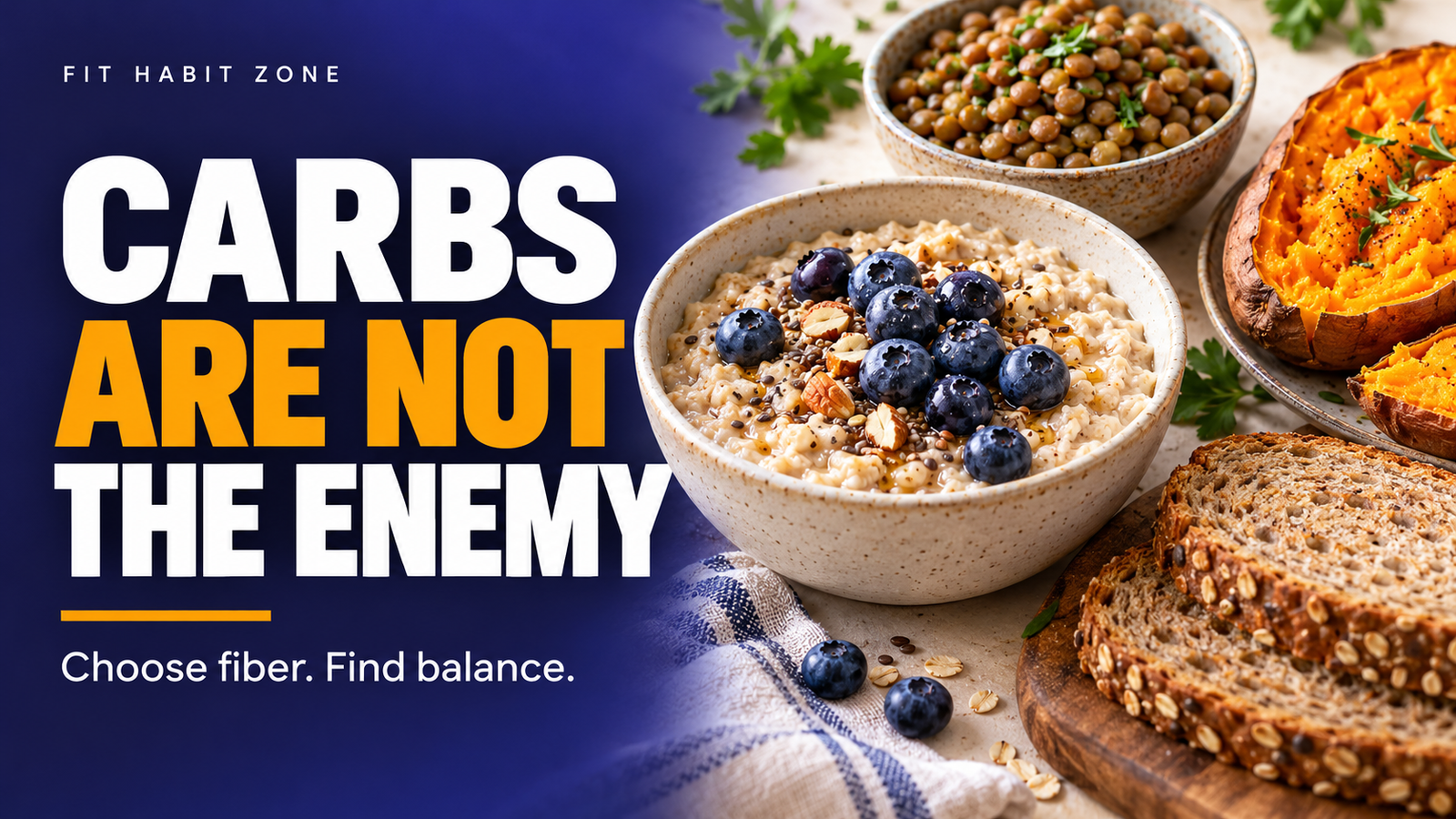
- Oats — around 5–6 grams per half cup dry, plus more with milk. Oats alone won't win a protein contest, but breakfast sets the tone: cook them with milk instead of water, stir in a spoonful of peanut butter, and top with nuts or seeds, and you've built a bowl with real protein instead of a bowl that's basically sugar and starch. Overnight oats with Greek yogurt and fruit take five minutes the night before and travel well.
Putting Them Together Without Overthinking It
You don't need a macro-tracking app to benefit from this list. A practical habit for most active adults is a palm-sized portion of protein — or a cupped handful for the plant foods — at each meal. Breakfast is usually where people fall short: toast and coffee, or a bowl of sweet cereal, sets you up for a day of grazing. Swap in eggs, Greek yogurt, or the upgraded oatmeal above and the rest of the day gets easier.
Combine foods freely. Tuna plus white beans, lentils over rice, chicken with roasted vegetables and quinoa — the pairings don't have to be clever to work. Keep two or three of these staples in the house at all times: eggs, Greek yogurt, and lentils, for example, cover breakfast, snack, and dinner with almost no planning.
What About Vegetarians and Tight Budgets?
Five of the ten foods above are plant-based, and they happen to be the cheapest: lentils, black beans, edamame, peanut butter, and oats cost very little per gram of protein. Eggs and canned tuna are the budget picks among the animal sources. Eating well on protein doesn't require grass-fed beef or wild-caught salmon — the humble foods on this list do the job for a fraction of the price.
If you skip meat entirely, lean harder on the plant half of the list and mix them: beans with grains, lentils with nuts, peanut butter with whole-grain bread. Varying your sources across the day is the simplest way to cover your bases without memorizing amino acid charts.
The Simple Takeaway
Protein doesn't need to come from a supplement container or a complicated plan. Eggs, yogurt, lentils, canned fish, beans — these are ordinary foods that happen to be packed with the stuff, and they fit into meals you're already eating. Small swaps, repeated daily, do more than any powder ever will.
This article is for general information only and isn't medical advice. If you have a health condition or dietary concern, check with a qualified healthcare professional before making big changes to how you eat.