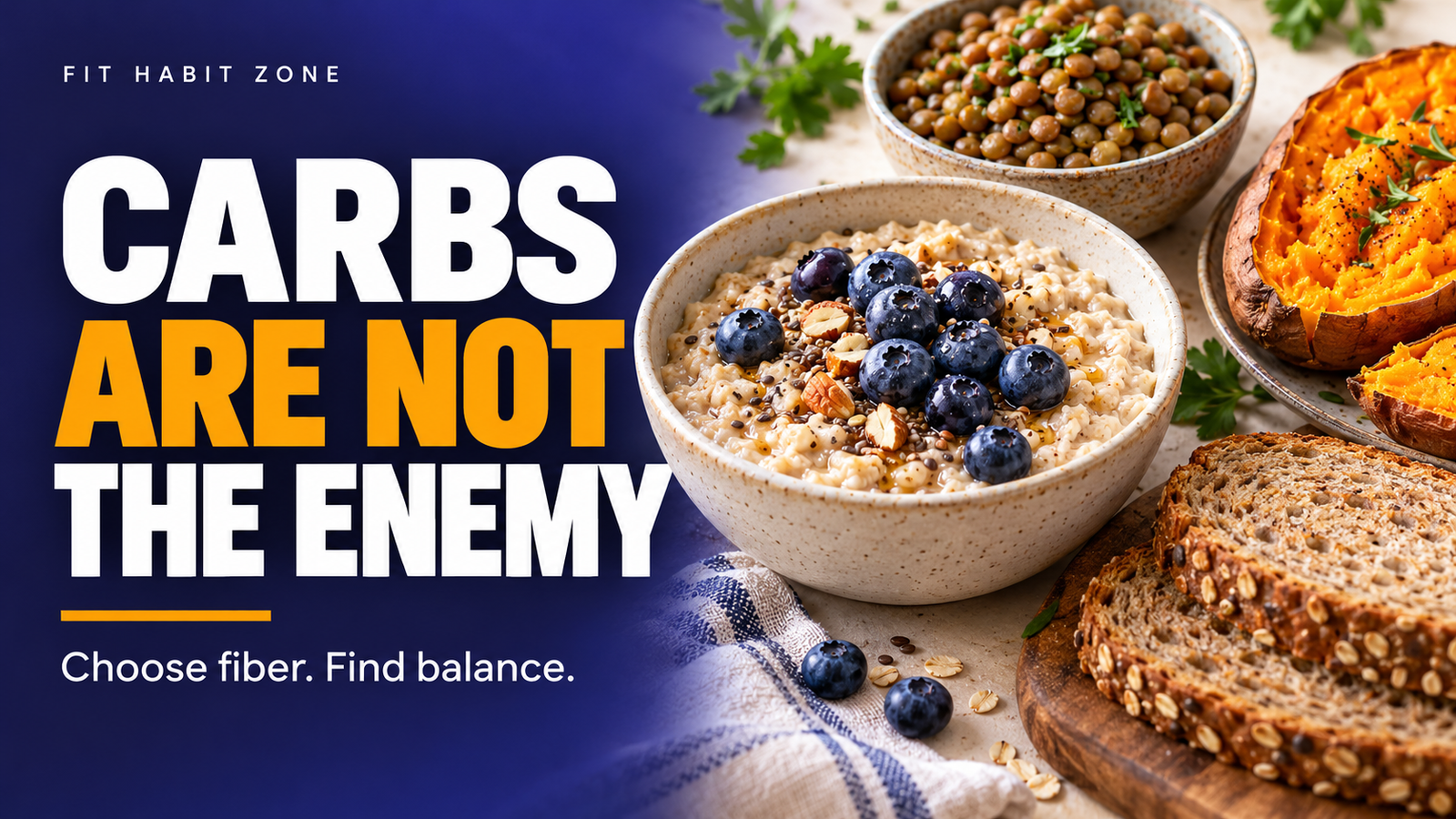
No, carbs are not the enemy. They are one of the three main nutrients your body runs on, alongside protein and fat, and the fuel your brain and muscles reach for first. Cutting them out can work for a while, but it is not the only way to eat well. The useful question is which ones, how much, and what you eat with them.
What a carb actually is
A carbohydrate is a nutrient made of sugar molecules, and your body breaks it down into glucose, which it uses for energy. Bread, rice, pasta, oats, potatoes, fruit, beans, and milk all contain carbs. So do soda, candy, and pastries. That shared label is why the word causes confusion: a bowl of lentil soup and a frosted donut are both carb foods, but they leave you feeling different an hour later.
Think of carbs in two groups. The first comes packaged with fiber, water, and other nutrients: whole fruit, vegetables, beans, lentils, oats, brown rice, and whole-wheat bread. The second has mostly been stripped of those extras: white bread, sugary drinks, candy, and pastries. The first group releases energy slowly and keeps you full. The second arrives fast, fades fast, and leaves you hungry again.
Why carbs got blamed
Carbs took the blame for honest and unfair reasons. The honest part is that the most overeaten foods in a typical American diet are carb-heavy and easy to eat in large amounts: soda by the refill, chips straight from the bag, a second helping of pasta. When portions grow and those foods crowd out protein, fiber, and vegetables, total calories climb, and weight follows. That is a portion problem, not proof that a baked potato is dangerous.
The unfair part is how diet culture turned a food group into a villain. Low-carb diets often lead to quick early weight loss, and that drop gets mistaken for proof that carbs were the problem. Much of that first drop is water, not body fat, because stored carbs hold water with them. People also tend to eat fewer calories overall when they cut out a whole food group. That calorie drop, not the absence of bread itself, does most of the work.
The carbs that keep you full
Look for fiber. It slows digestion, steadies appetite, and helps a meal last until the next one:
- Oats — old-fashioned oats with fruit and nuts make a breakfast that holds you until lunch.
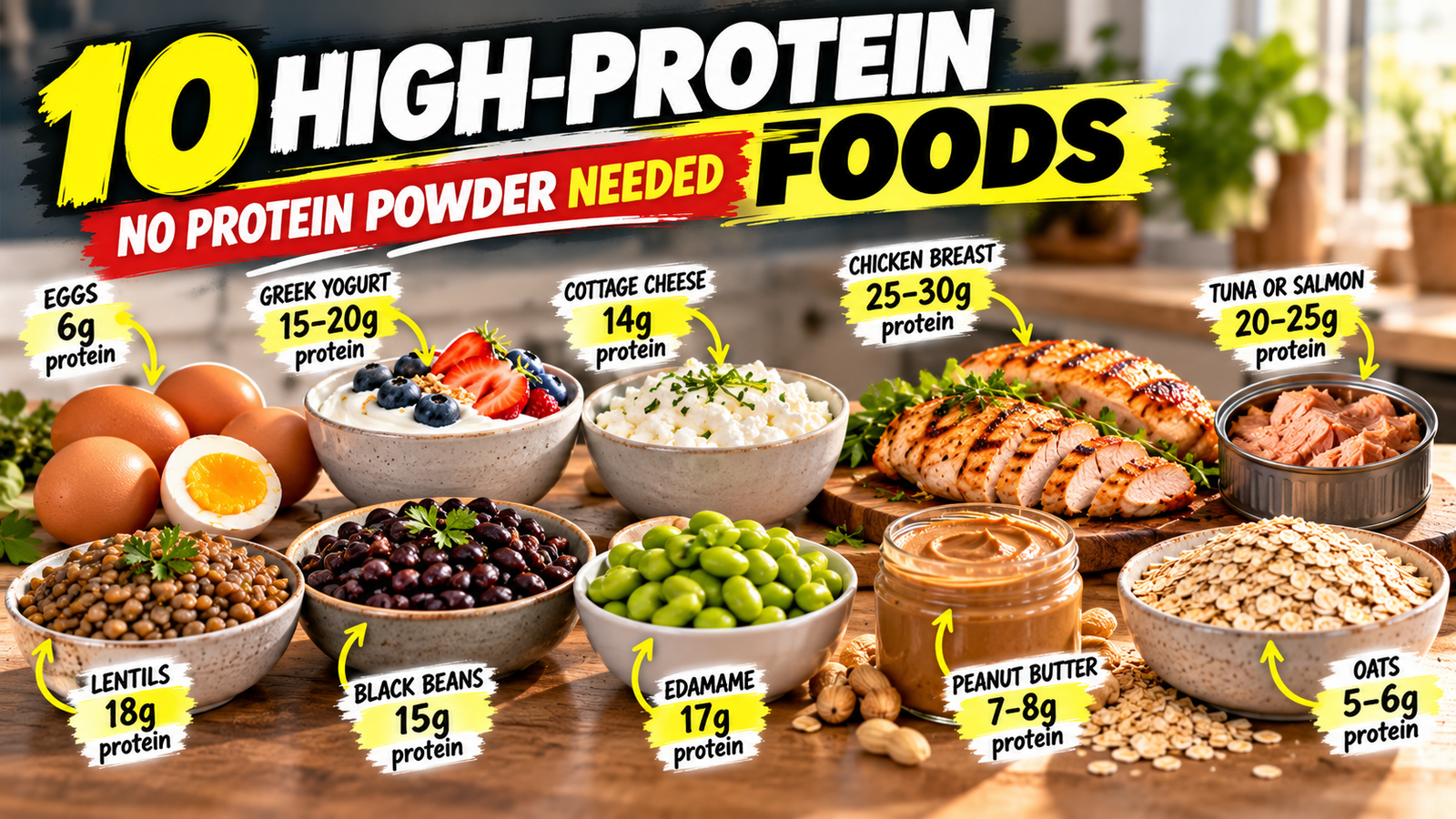
- Beans and lentils — cheap, filling, and rich in fiber and protein.
- Brown rice and quinoa — sturdier than white rice, with more fiber.
- Sweet potatoes and potatoes — filling and versatile, especially with the skin on.
- Whole fruit — an apple or berries give you fiber and water along with sweetness, unlike juice.
- Whole-wheat bread and pasta — a clear step up from refined versions.
The carbs that leave you hungry fast
On the other side are foods that deliver a lot of energy with little staying power. Sugary drinks are the clearest example: a large soda can hold as many calories as a small meal while doing almost nothing for hunger. Pastries, candy, and many breakfast cereals work the same way, and an hour later you feel hungry again.
That does not mean you can never eat them. A donut on a Saturday morning will not undo an otherwise balanced week. The trouble starts when these foods become the default: soda instead of water, a pastry instead of breakfast, chips instead of lunch. Swapping one daily default for a fiber-rich option often changes how hungry you feel all day.
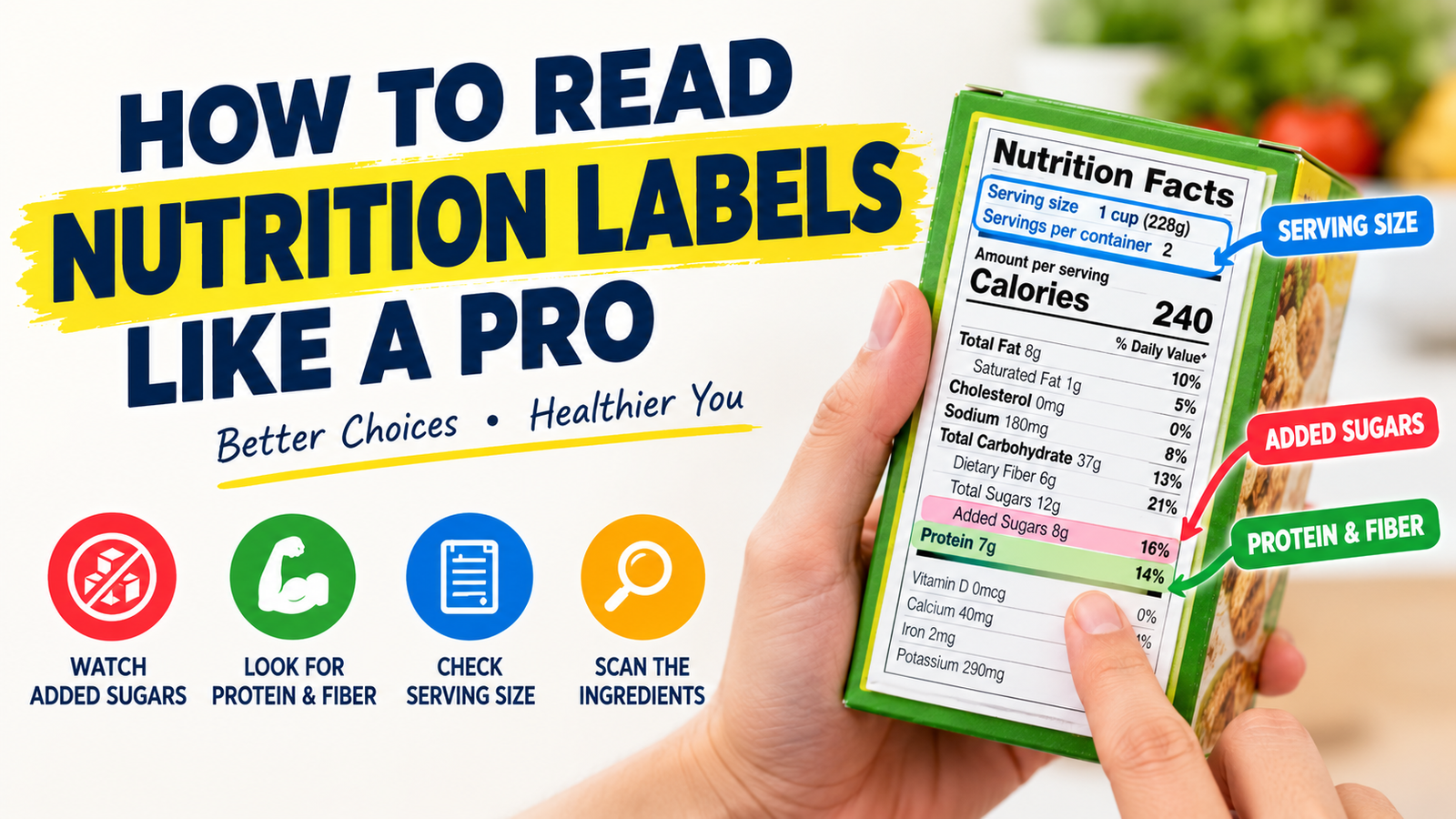
Labels help here more than willpower does. Added sugar hides under many names, and package serving sizes are often smaller than the amount people eat. For a quick skill, our guide to reading nutrition labels walks through the numbers that matter most, including the serving-size trap.
How much makes sense on a plate
There is no single right amount of carbs for everyone. A practical starting point is the plate method: fill about half the plate with vegetables, about a quarter with protein, and about a quarter with a carb food like rice, potatoes, or bread. That quarter is roughly a fist-sized portion, about a cup of cooked rice or pasta, or one to two slices of bread. Active or larger people will need more.
Pairing matters as much as portion. Carbs eaten alone, like plain toast, tend to leave you hungry sooner than the same carbs eaten with protein or fat. Toast with eggs, oatmeal with nuts, and rice with chicken and beans all last longer. None of this requires cutting carbs to lose weight: weight change comes down to overall patterns over time, and our plain-English guide to calorie deficit explains that balance without the jargon.
Carbs and exercise
If you exercise regularly, carbs earn their place. Your muscles store carbs as glycogen, and that stored fuel powers harder workouts. You do not need sports drinks for a normal gym session or jog; a regular meal with carbs beforehand, and a balanced meal after, covers it.
A normal day of carb choices
Here is a balanced, carb-inclusive day:
- Breakfast: oatmeal with banana and peanut butter, or eggs on whole-wheat toast.
- Lunch: a chicken and black bean wrap with vegetables, or leftover rice with beans and salad.
- Snack: an apple with nuts, or yogurt with berries, instead of a vending-machine pastry.
- Dinner: baked sweet potato with chicken and broccoli, or pasta with vegetables and a protein, keeping pasta to about a quarter of the plate.
Nothing in that day is exotic or expensive, and nothing is banned. The swaps are small: whole fruit instead of juice, beans and whole grains instead of refined ones most of the time, water instead of soda. If you are rebuilding a grocery routine, our $75 weekly grocery plan shows how oats, beans, rice, and potatoes can carry a whole week without a big bill.
The bottom line
Carbs are not the enemy, and they are not a free pass either. The fiber-rich ones, eaten in sensible portions and paired with protein, are affordable, filling, and good fuel for an active life. The sugary, refined ones are best kept as occasional treats, not daily defaults. Eat the first group most of the time, enjoy the second sometimes. That is a way of eating you can keep.
This article is for general information only and isn't medical advice. If you have a health condition such as diabetes, or another condition that affects how you handle carbohydrates, check with a qualified healthcare professional before changing your diet.