Start With Serving Size — the Line That Tricks Everyone
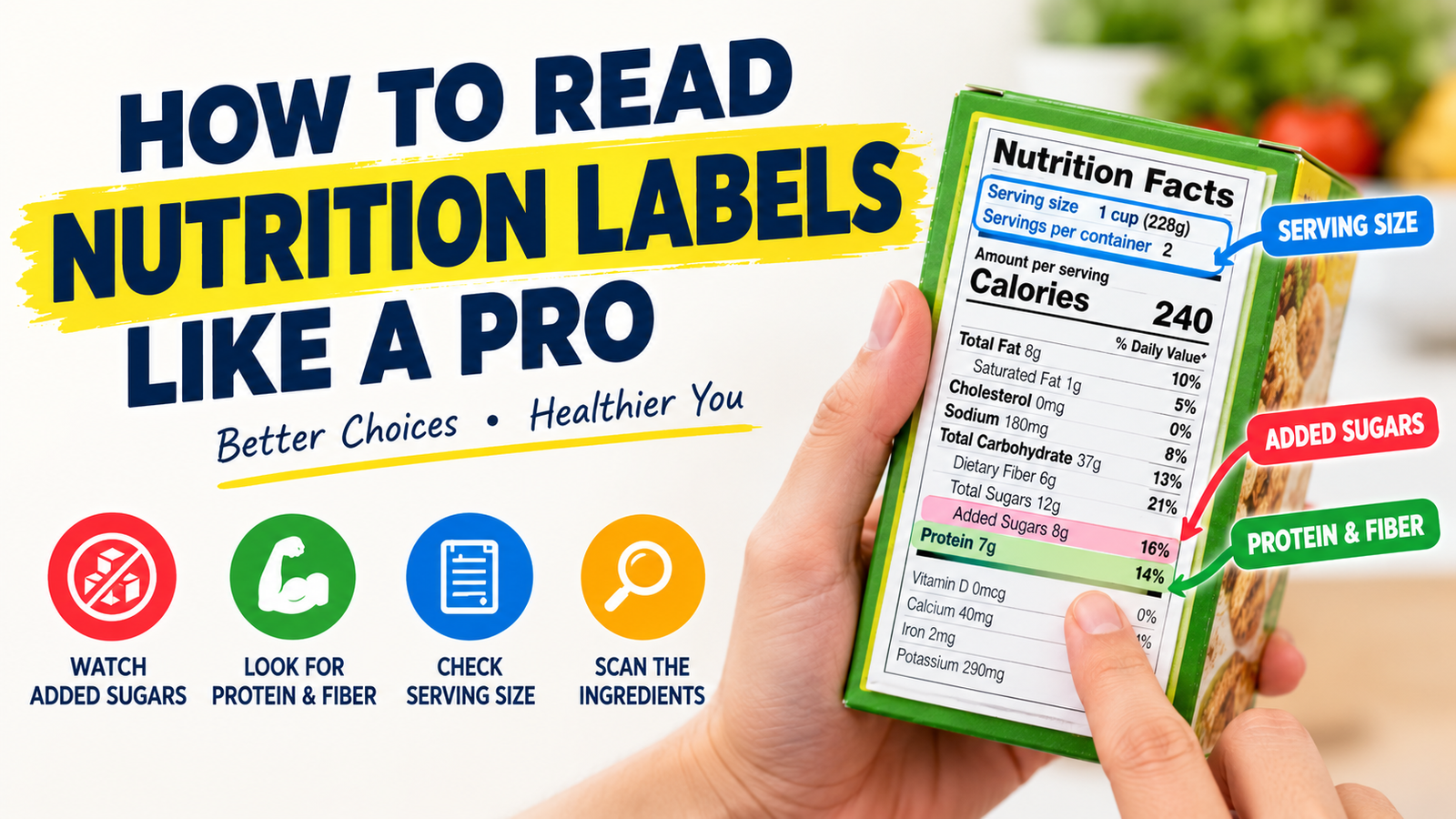
Before you read a single nutrient number, look at the serving size and the servings-per-container line. A bottle of juice sold as one drink often lists 2 or 2.5 servings. A small bag of chips that you will clearly finish in one sitting might say it contains 3 servings. Every number below that line describes one serving, not the package in your hand.
This is the most common way labels mislead, and it is completely legal. Here is the fix: decide how much you will actually eat, then multiply. If a bag of trail mix lists 170 calories per 28-gram serving, contains 5 servings, and you know you will eat the whole bag in front of the TV, the real number is 850. The trail mix did not change. Your honest serving size did.
Comparisons only work when serving sizes match. If one cereal reports nutrition per 30 grams and another per 55 grams, the one with lower sugar may simply be describing a smaller bowl. Scale both to the same amount — or better, to the amount you will actually pour — before deciding which is better.
Added Sugars: the One Line Worth Hunting For
The "Total Sugars" line mixes together two very different things: the sugar that naturally occurs in fruit, milk, and vegetables, and the sugar the manufacturer added. The line beneath it — Added Sugars, shown in grams with a daily-value percentage — separates them. That is the number worth your attention.
Added sugar delivers calories without doing much for fullness, which is exactly why it gets in the way of weight loss. A flavored yogurt and a plain yogurt can look nearly identical on total sugar while differing wildly on added sugar. The daily-value percentage helps you judge: as a rough rule, 5% or less of the daily value per serving is low, and 20% or more is high. You do not need to memorize that — just know that a snack hitting 25% of your daily added sugar in one small serving is a dessert wearing a health costume.
Protein and Fiber: the Fullness Numbers
If added sugar is what to watch, protein and fiber are what to look for. Both slow digestion and keep you feeling full longer, which means a snack with 12 grams of protein behaves very differently in your afternoon than one with 3 grams, even at the same calorie count. When you are choosing between two similar products — two breads, two yogurts, two frozen meals — the one with more protein and more fiber is usually the better pick.
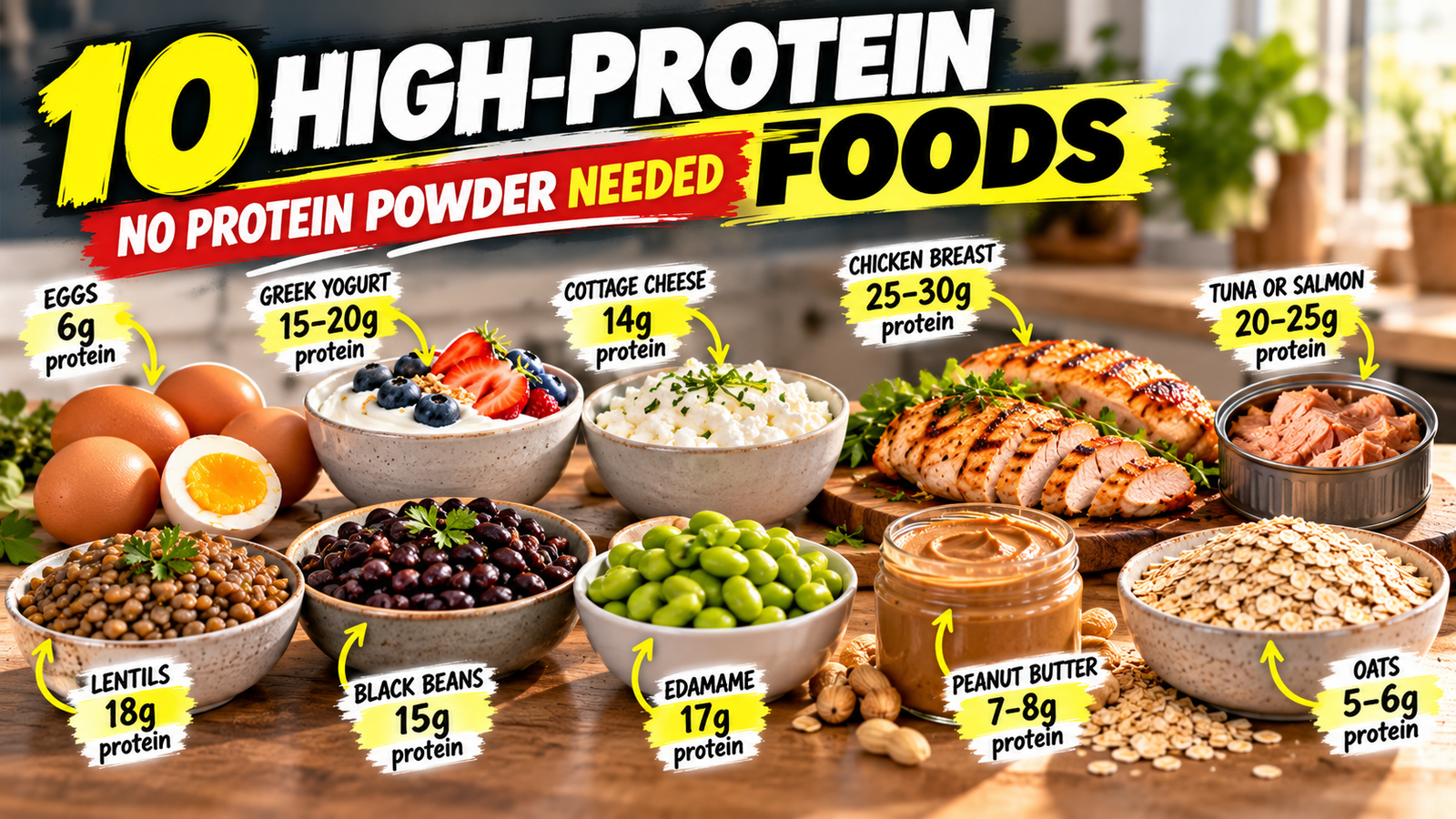
You do not need protein powder or exotic ingredients to hit decent numbers. Ordinary foods like eggs, Greek yogurt, lentils, canned tuna, and roasted chickpeas carry serious protein without any supplement marketing attached — see our list of high-protein foods that aren't protein powder for simple serving ideas.
Calories: the Context Number
Calories come last on purpose. They matter — weight change ultimately comes down to energy balance — but the number on a label is meaningless until you know your real serving size, and it only means something in the context of your whole day. A 400-calorie frozen meal is not "good" or "bad" on its own; it is a piece of a daily total.
Use label calories for one job: honest comparison. Once serving sizes are equalized, the calorie line tells you which option costs you less energy for similar fullness. If you want the bigger picture of how those daily totals actually drive weight loss, our plain-English guide to the calorie deficit walks through it without the jargon.
The Ingredient List: a 5-Second Scan
Ingredients are listed by weight, so the first few items tell you what the food mostly is. If some form of sugar — cane syrup, dextrose, fruit juice concentrate, honey, maltodextrin — shows up in the first three ingredients, the product is mostly sugar regardless of what the front of the package claims. Likewise, a bread whose first ingredient is "enriched wheat flour" is not the whole-grain bread its packaging suggests; you want to see "whole wheat" or "whole grain" first.
Do not get lost here. A long ingredient list is not automatically bad — a good curry paste has a dozen ingredients — but the first three should look like food you recognize.
Putting It Together at the Store
Here is the whole routine, and it takes less than half a minute per product:
- Step 1: Check servings per container, and decide your real serving.
- Step 2: Multiply the numbers to match what you will actually eat.
- Step 3: Read added sugars first, protein and fiber second.
- Step 4: Compare products only at equal serving sizes.
One more thing that makes all of this easier: planning meals ahead of time means fewer rushed label decisions in the aisle. If you want a system for that, our beginner meal-prep guide builds five days of lunches from a single grocery list.
The Bottom Line
Nutrition labels stop being intimidating once you know what to skip. Serving size keeps the numbers honest, added sugars reveal what the marketing hides, and protein and fiber tell you what will actually keep you full. Practice the 30-second routine on five products this week and it becomes automatic — no app, no math degree, and no guilt required.
This article is for general information only and isn't medical advice. If you have a health condition, check with a qualified healthcare professional before making major changes to your diet.